The Current State of ICT Technologies
Developments in computing hardware facilitate the delivery of better software, which in effect empowers new ICT trends. In this part, you will study about current ICT concepts and technologies that impact our daily life.
Did you think you are Digital Natives?
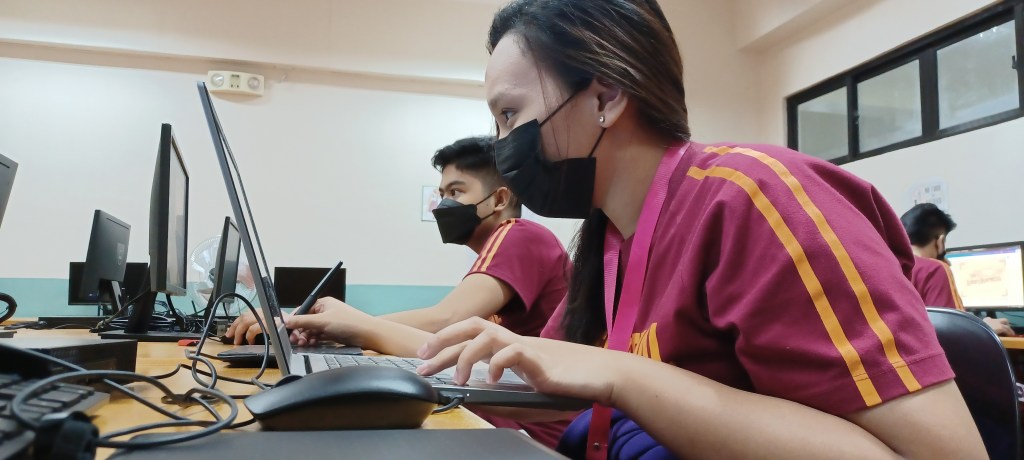
A person who was born or raised in the digital age and is thus familiar with computers and the Internet from an early age.
If you answered “guilty as charged” to the most of these questions, you are most likely a digital native. And chances are you were surrounded by technology from the minute you were born, and you are still surrounded by ICT.
Information and Communications Technology
It refers to the sending, saving, and editing of data via communication technologies such as laptops, smart phones, tablets, telephones, and the internet.
ICT in the Philippines
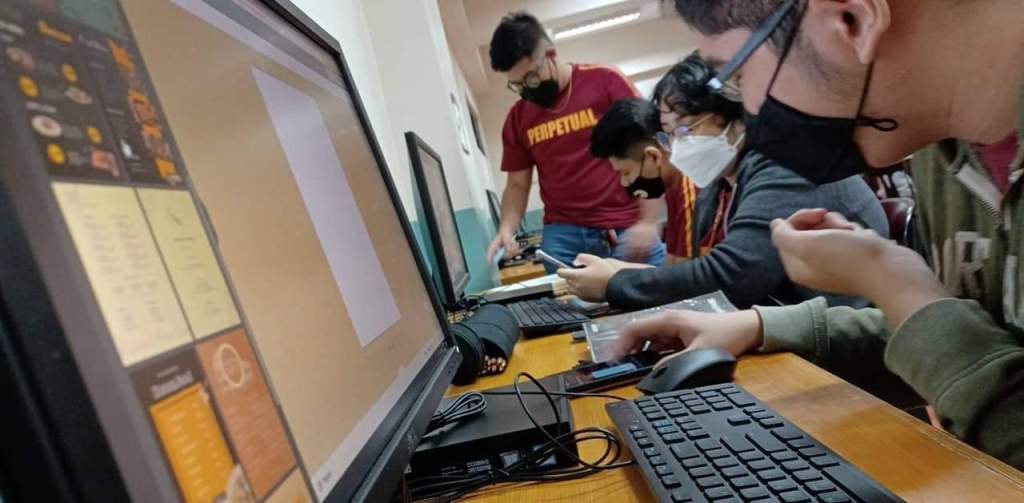
• Communication technology is now widely used throughout the country, including in rural areas. According to the Rappler blog, there are 119 million mobile phone subscriptions and 47 million active Facebook profiles out of a total population of 101 million.
• The Philippines has the world’s biggest digital population and the fastest-growing app market in Southeast Asia. Social media, videos, online mobile games, location-based search, and online shopping are the most popular online activities. Filipinos have a strong desire to stay in touch with their loved ones, friends, and family.
State of ICT in the Philippines
The government recognizes the need to strengthen efforts to broaden the reach of ICT in the Philippines after more than a decade of honoring National ICT Month. They are expanding the benefits of digitization to a broader range of recipients in collaboration with many sectors of society.
WORLD WIDE WEB

It was created by Tim Berners-Lee and is also known as WWW or W3. It is made up of various pages that are linked together and formatted in HTML (Hypertext Markup Language). Each page contains text, graphics, multimedia files, hyperlinks, and other information.
Web 1.0
The initial version of the World Wide Web, with static web pages. Users cannot manipulate this type of page, which is also known as a flat or immobile page.
Web 2.0
It’s a dynamic web website where users may do things like create a user account, leave comments, upload files and photographs, and so on. Blog sites, Facebook, Twitter, Instagram, and YouTube are some examples.
Features
1. Folksonomy – By adding a tag or label, users can classify and organize information. Facebook, Twitter, Instagram, and other social networking sites employ the pound sign (#).
Example in tagging on Facebook: #TeamKawayan, #Single
2. Rich User Experience – The user can engage with the page’s content and obtain a high level of competence.
3. User participation – users can add content to a web page on their own, such as comments, ratings, and so on.
4. Long Tail – A shopping site like OLX, Lazada, Shopee, Zalora, and others that provide services and connects individuals and businesses to sell various items and commodities.
5. Software as a Service– Users can subscribe rather than purchasing it when they need it.
6. Mass Participation– Through universal web access, varied information can be shared.
Web 3.0 or The Semantic Web
The World Wide Web Consortium (W3C) is leading a new paradigm in web interaction extension by providing a framework that allows data to be shared and reused.
1. Convergence
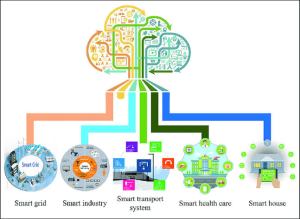
It alludes to combining technical progress to work on a comparable task.
Example. Taking images with a smartphone rather than a DSLR camera.
2. Social Media
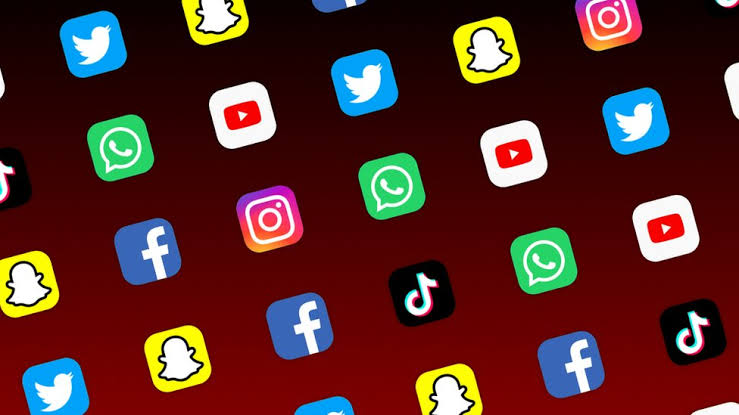
An app and website that allows users to chat, create and share content, and join online groups.
A. SOCIAL NETWORK
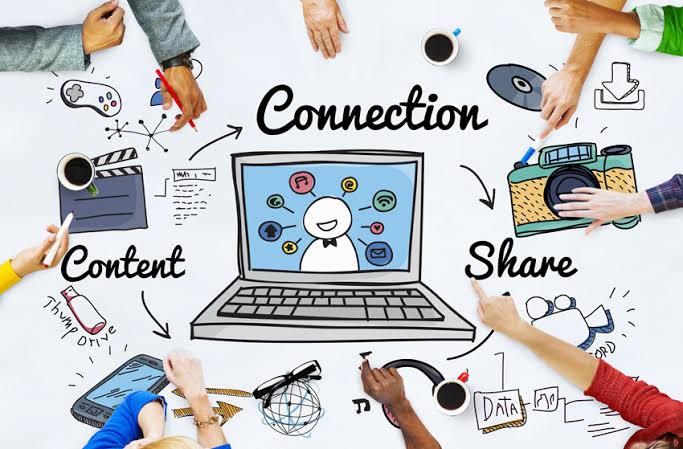
A website where people with similar interests can connect and share information.
Examples: Twitter, Instagram, Facebook
B. SOCIAL NEWS
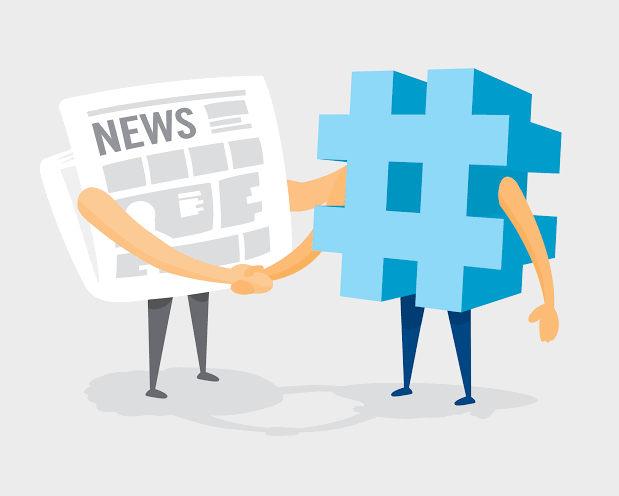
A website where users can submit stories that are ranked by popularity via voting.
Examples: Digg, Reddit, Propeller, Slashdot, Fark
C. BOOKMARKING SITES
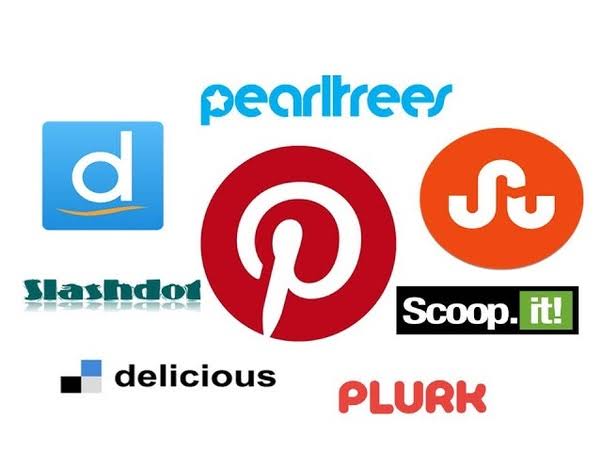
A website where you may share and store internet bookmarks, articles, posts, blogs, and photographs, among other things.
Examples: Pinterest, StumbleUpon, Dribble
D. MEDIA SHARING
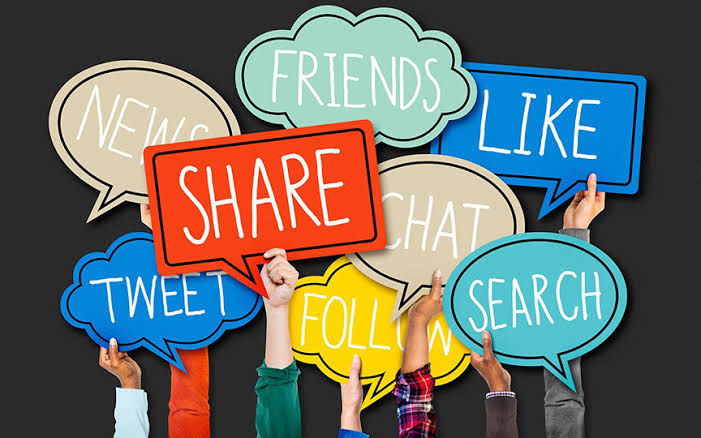
A website for sharing and storing multimedia items like video, photographs, and music.
Examples: Instagram, YouTube, Flickr
E. MICROBLOGGING
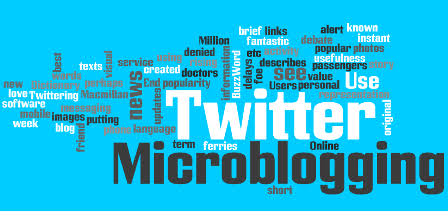
A website where you can send out short messages.
Examples: Twitter, Tumblr, Meetme
F. BLOGS & FORUMS

A discussion website that allows users to ask questions and provide comments on an individual or group’s journal.
Examples: WordPress, Blogger
3. Mobile Technologies
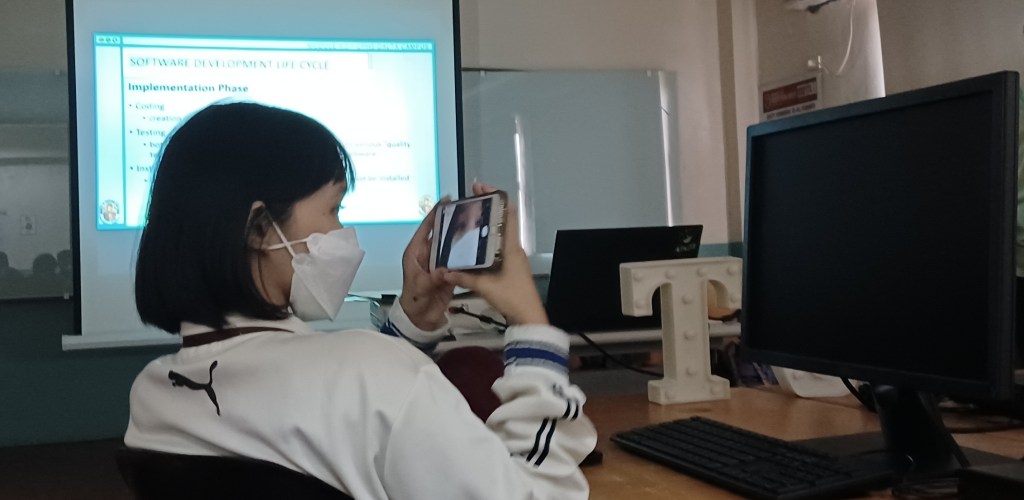
A cellular and other device technology used in netbooks, laptops, tablets, smartphones, and other devices This is largely due to the device’s capacity to perform functions that were previously only available on personal computers. Several of these devices can connect to the internet at fast speeds. The latest mobile devices employ 4G Networking (LTE) and 5G Networking, which is the fastest mobile network currently available. Mobile devices also run on a variety of operating systems, including:
• iOS -found in Apple products like the iPhone and iPad
• Android – a Google-developed open source operating system. Because it is open source, various mobile phone providers can use it for free.
4. Assistive Media
A platform for people with disabilities. It will use an audio recording to lead the person as if they were blind. To read to the user, a database of audio recordings is employed. Several of their audio recordings can be found on the website http://www.assistivemedia.org/.
“Technology is best when it brings people together.
-Matt Mullenweg, Social Media Entrepreneur
 Zamina