ICT Digital Citizenship
It was developed in response to customers' needs to provide an advanced program of guidance and digital literacy assessment that is appropriate for schools in the areas of Internet technologies, email browsers, communications, social media applications, cybersecurity, global awareness, and digital citizenship. This curriculum seeks to implement students to digital technology literacy and equip them for opportunities in a technologically advanced world.
DIGITAL CITIZENSHIP AND THE FILIPINO PEOPLE
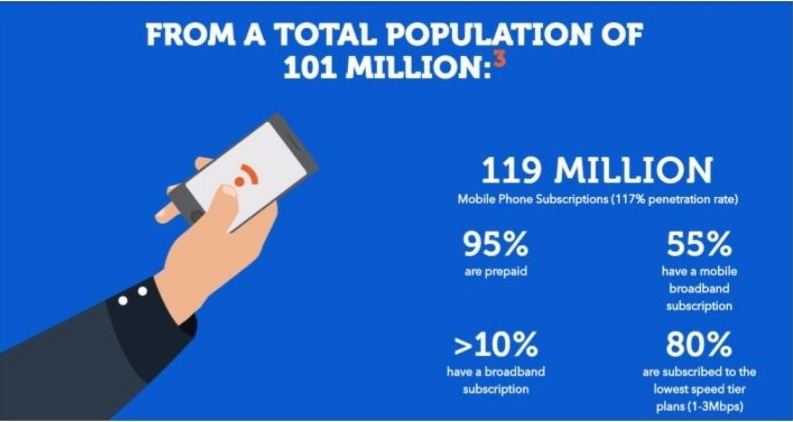
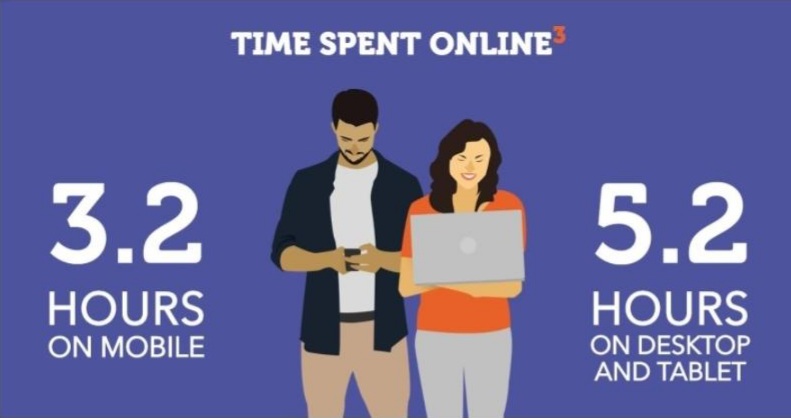
• The market's low-cost smartphones, free Facebook for some networks, and low-cost text messaging make information and communication readily available. People's faces are buried in their smartphones, and younger people spend limitless hours in front of laptops or video game consoles. Are we truly prepared to be responsible and good digital citizens?
YOU AS A DIGITAL CITIZEN
• Digital citizens are those who regularly and effectively use information technology.This term refers to the acceptable and responsible use of technology. Using modern technologies to be informed about societal trends and challenges.
THE NINE ELEMENTS OF DIGITAL CITIZENSHIP
Mike Ribble and colleagues identified nine aspects of Digital Citizenship that focus on present challenges while allowing for technological evolution.
1. DIGITAL ACCESS
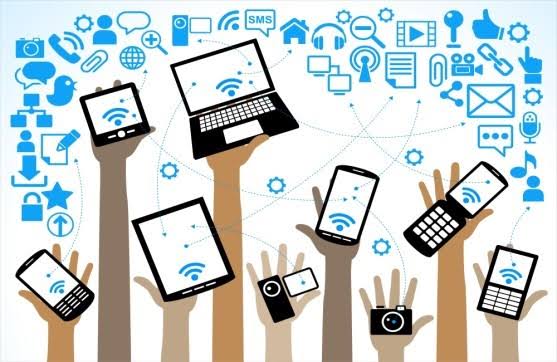
Full electronic engagement in society is defined as digital access. It promotes equitable digital rights and access to technology for all people.
ISSUE
A variety of barriers, including socioeconomic position, geographic location, and disabilities, obstruct equal access to technology.
SOLUTION
Community members who are capable of adopting technology should assist others who are not.
2. DIGITAL COMMERCE

The electronic purchasing and selling of goods is referred to as digital commerce. The goal of this component is to teach people how to be responsible and cautious consumers in the digital economy.
ISSUE
As many transactions are now powered electronically, the internet market economy is steadily developing. Online purchases take minimal time and effort, and the variety of things available is enormous, which appeals to users.
SOLUTION
Knowledge of e-Commerce and how to utilize it responsibly.
3. DIGITAL COMMUNICATION

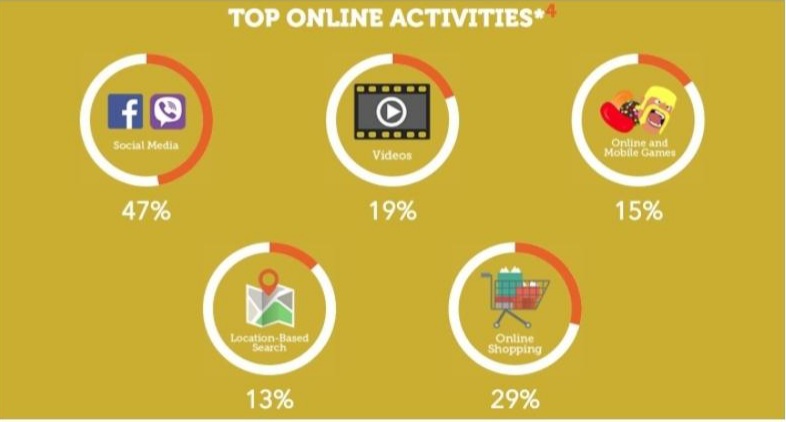
The electronic exchange of information is defined as digital communication.With the arrival of mobile phones, texting, and social networking, this element recognizes that communication has evolved. The Philippines presently has 47 million active Facebook accounts.5 It is Southeast Asia's fastest growing app market.
ISSUE
People rarely evaluate the content of what they post online or the communications they send to others. Negative digital footprints left by these messages and posts might be deceptive when it comes to job hunting and professional advancement.
SOLUTION
Observing and respecting netiquette norms.
4. DIGITAL LITERACY

The process of teaching and learning about technology and how to use it is known as digital literacy.This component emphasizes the significance of understanding how to use technology efficiently and appropriately.
ISSUE
While technology is widely available, there are not always associated lectures or demonstrations on how to use it.
SOLUTION

5. DIGITAL ETIQUETTE
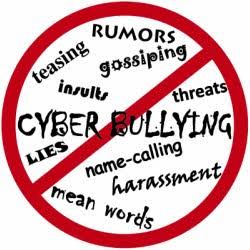
The electronic rules of behaviour or procedure are defined as digital etiquette. While technology has become an integral part of our lives, it is not an excuse for poor social behavior.
ISSUE
Some people believe they are more powerful online since they are not physically present face-to-face with the person with whom they are conversing. This leads to cyberbullying, flaming, and other keyboard battles.
SOLUTION
We need to be educated that we should treat individuals online the same way we treat them in person.
6. DIGITAL LAW
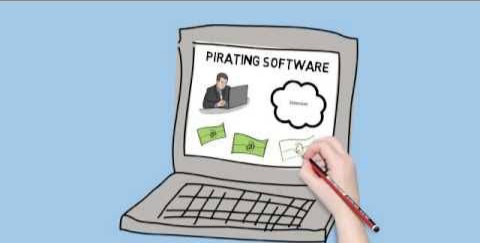
The electronic responsibility for digital law is defined as deeds and actions. Despite the fact that technology has made it easier to distribute information, it should still be reviewed.
ISSUE
Some examples include piracy, plagiarism, identity theft, pornography, and hacking concerns relating to technology. When caught, some persons say they had no idea what they were doing was wrong.
SOLUTION
Providing information on what is lawful and what is illegal will be beneficial.
7. DIGITAL RIGHTS AND RESPONSIBILITIES

Digital Rights and Responsibilities are the obligations and freedoms owed to everyone in the digital environment. Digital citizenship is analogous to belonging to a group or community. When given the chance to be part of a group, there are certain benefits that come with it.
ISSUE
It's a problem when people spread information without citing the source, whether it's ours or someone else's. While posting information online can be claimed to be public information, citing sources is still required to avoid intellectual property rights violations.
SOLUTION
Cite your sources anytime you receive information from the internet. When sharing original works, it's also a good idea to use watermarks or specifically state that you should be credited when sharing the article.
8. DIGITAL HEALTH AND WELLNESS
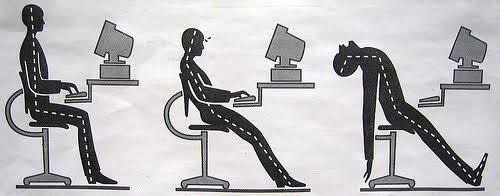
Digital Health and Wellness is defined as the physical and psychological well-being in a digital technology world. We need to be aware of the health risk inherent in using digital technology.
ISSUE
Carpal tunnel syndrome, eyestrain, headaches, and poor posture are all common physical risks associated with digital technology. These are usually caused by poor ergonomics implemented on hardware.
SOLUTION
It is helpful to take breaks when using the computer. Simple stretching and exercises can be done during breaks.
9. DIGITAL SECURITY
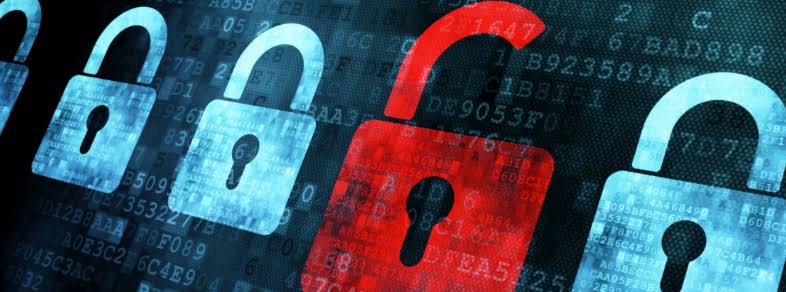
Digital security refers to the use of electronic safeguards to ensure safety. We must protect our digital information in the same way that we protect our houses and assets.
ISSUE
The majority of problems stem from a lack of data security protections, whether hardware or software. Leaving personal external hard drives around and failing to apply a password to personal computers allows others other than the owner to access them, allowing personal and sensitive information to be leaked.
SOLUTION
They can safeguard their social media accounts, home computers, and mobile phones by using strong passwords. Antivirus software and virus definitions must be updated on a regular basis to protect a computer from internet threats.
Lets go invent tomorrow instead of worrying about what happened yesterday.
Steve Job
 Zamina